Luxury Homes in Kansas City Northland: What Makes a Property High-End?
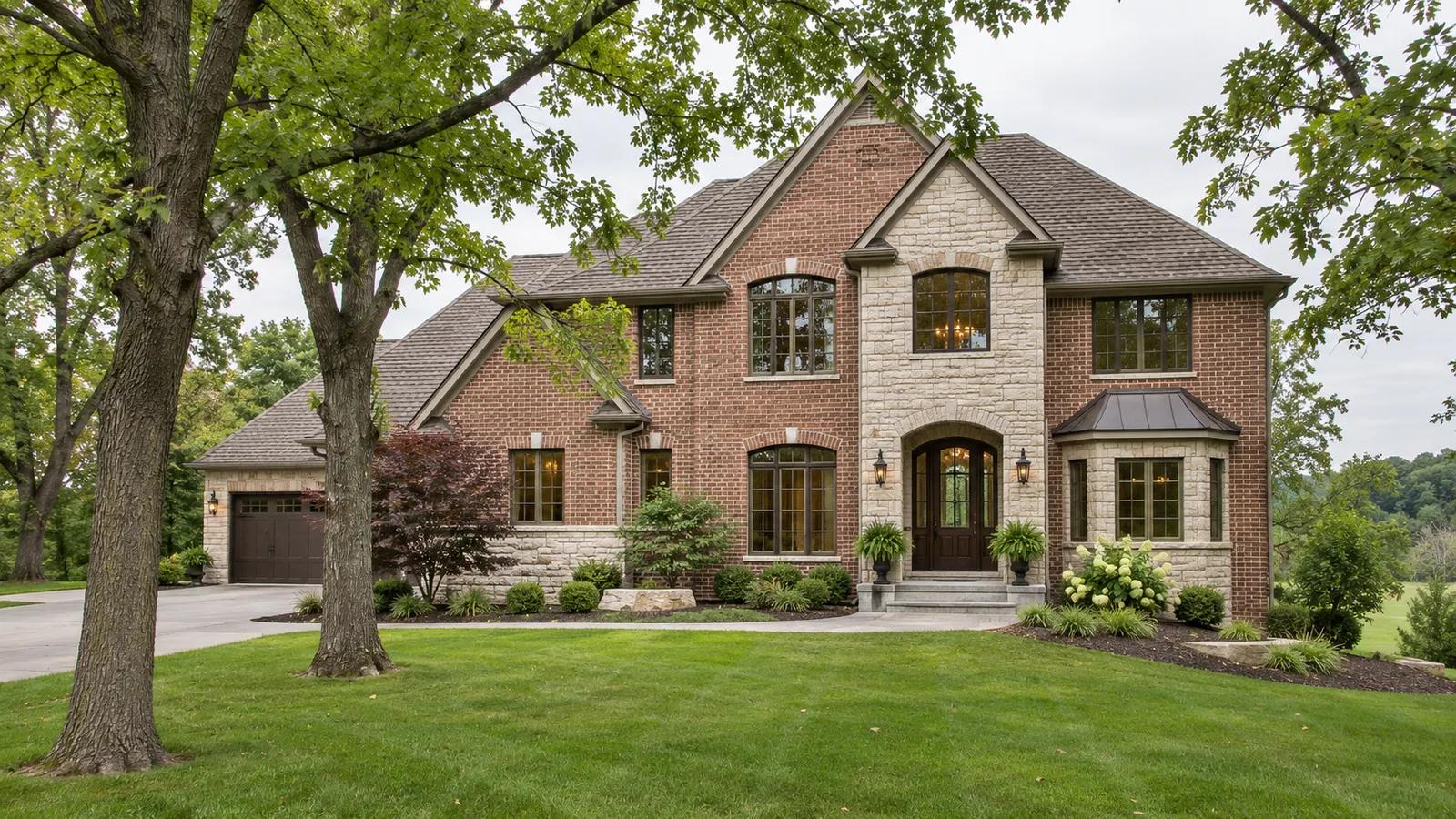
A high-end Northland home combines useful design, considered materials, a site that supports the owner's priorities and condition supported by evidence. A high asking price or large floor area does not establish those qualities. Compare how the property functions and what ownership requires, then investigate the actual Clay or Platte County address. This guide explains luxury features and trade-offs; it is not a current listing inventory or a price ranking.
That distinction makes the question more useful. A large residence may have an impressive entrance but costly deferred work. A smaller property may offer carefully designed space, documented improvements and a location that suits your routine. Neither a luxury label nor extra square footage establishes the better choice. Build the comparison around what is actually included, what is known and what still needs investigation.
How is high-end quality different from a high asking price?
Asking price and closed price answer different questions
An asking price describes the seller's current offer to the market; it does not establish that a buyer has paid that amount. A closed price records a transaction, but it still needs context: what property and parcels were included, when the agreement was made and whether relevant concessions or unusual terms affected the comparison. Keep listing status and the evidence date beside every figure you use.
The Northland regional context in an official municipal plan identifies the area north of the Missouri River in Clay and Platte counties. Parkville, Liberty, Gladstone and northern Kansas City can supply different search starting points, but no community name proves quality or establishes an appropriate offer. Define the actual address and research its governing municipality before treating a regional luxury description as evidence.
Assessment, appraisal and replacement cost serve different purposes
An appraisal is a property-value opinion, as the CFPB explains. Administrative property records, such as the resources linked by the Platte County Assessor, serve a separate research purpose. Replacement cost is another question again. None alone establishes how much you should offer, whether a system is sound or whether the house will suit your intended use.
| Measure | Useful question | What it cannot prove alone |
|---|---|---|
| Asking price | What is the seller currently requesting? | The eventual sale outcome. |
| Closed price | What did this documented transaction record? | Today's value of a different property. |
| Assessed value | What value is used in the tax-assessment process? | An appropriate current offer or list price. |
| Appraisal | What value opinion was developed for its stated purpose? | A guarantee of condition or a future sale price. |
Ready to explore actual properties? Open the general Kansas City map search and note the features and questions that matter to you. The search is not presented as a prefiltered luxury feed.
How do land and location shape the comparison?
Compare usable land, access and responsibilities
Acreage is a starting description, not a complete account of the site. Investigate how much land can serve the uses you want, how the residence and outdoor spaces connect, and what upkeep the property requires. Slope, driveway configuration, drainage questions, boundaries and restrictions can change the practical value of additional ground. A landscaped approach and a usable garden solve different needs.
Check which parcels are included and whether access or a detached structure raises separate documentation questions. If the site inspires plans for an addition or another use, establish what information the municipality, title professional or surveyor needs to evaluate it. A marketing description should prompt those questions rather than substitute for their answers.
Research the address instead of ranking the neighborhood
For a Parkville candidate, Community Development provides planning, building and permit resources. For Liberty, start with the city's official maps and research directory. Match the question to the actual city, then investigate the proposed activity or alteration. Future land-use planning does not establish permission for your project, and the same-looking improvement nearby is not proof that the proposed work is approved.
For a Missouri address, confirm its county and municipal jurisdiction before choosing record tools. Evaluate your own destinations, access needs and surroundings from the actual property. No city label establishes prestige, quiet, school quality, safety or future appreciation. A home that suits one household's daily pattern may introduce unnecessary travel or maintenance for another.
Consider two illustrative Northland search briefs: one prioritizes a carefully renovated residence near chosen daily destinations; another values a larger site for specific outdoor activities. Neither preference establishes the more luxurious or more valuable property. Compare the documented work, layout and maintenance each actually entails. Keep the same evidence standard even when one property presents more dramatic photographs or a more elaborate amenity list.
What do construction and architecture contribute?
Look for coherent design and documented work
Materials and workmanship matter through the property's actual construction and use, not just through a list of expensive finishes. Examine how the building is put together, how additions connect, how light and circulation work, and whether the floor plan supports daily activities. Ask what documentation is available for significant improvements and which questions require a qualified inspection or records review.
A dramatic room can be appealing while creating awkward routes between the garage, kitchen and living areas. Similarly, several specialty rooms may be less useful to you than comfortable, adaptable everyday space. Compare usable layout and condition alongside style. Avoid converting a material's installation cost directly into an assumed resale premium.
Separate architectural character from renovation assumptions
An older residence may invite questions about original features, later alterations and the work needed to maintain them. A newer-looking interior may still leave roof, exterior, structural or mechanical questions unresolved. Neither age nor a renovated appearance establishes the condition of the whole building. Ask what changed, when, who completed it and which supporting records are available.
When do amenities create costs as well as benefits?
Connect each feature to an intended use
A pool, outdoor kitchen, theater or extensive automation system can be attractive when it serves a purpose you value. It can also add equipment, servicing, inspection and eventual replacement questions. List how often you expect to use a feature, who will maintain it and what records would help you understand its present condition. Keep an appealing photograph separate from an informed ownership decision.
| Feature | Potential use | Evidence and responsibilities to investigate |
|---|---|---|
| Pool and outdoor entertaining area | Recreation and gathering space | Condition, equipment records, access arrangements and service needs. |
| Detached building | Storage or another intended activity | Included parcel, authorized use, utilities, access and upkeep. |
| Extensive landscaping | Privacy, shade or a particular setting | Actual boundaries, tree and drainage concerns, and maintenance tasks. |
| Specialty mechanical or automation systems | Comfort and convenience | Operating instructions, support availability and replacement options. |
Avoid assigning every buyer the same premium
A feature that makes a home right for you may be unnecessary to someone else. Its contribution to a pricing discussion therefore needs relevant property and transaction evidence, not a universal claim that every luxury buyer pays more for it. Ask what comparison supports the proposed value and whether condition or ongoing obligations change that interpretation. Expensive equipment is not automatically an equivalent amount of additional market value.
How do condition and ownership obligations change the picture?
Compare the whole ownership task
Purchase price is only one part of the decision. Build separate estimates for immediate work, transaction expenses and recurring ownership obligations. Ask appropriate providers about insurance, maintenance and servicing, and review available property-tax information in context. Where an association applies, read the documents to identify responsibilities, charges and questions about future work. Do not assume every exterior task is covered.
Investigate whether visible updates addressed the systems that matter to your plan. A freshly presented interior cannot establish roof life, drainage performance or the condition of equipment behind finishes. Ask the inspector what is included in the inspection and whether another professional should evaluate a specialty component. Price, appearance and inspection scope answer different questions.
Use a hypothetical comparison without inventing market costs
Consider two fictional homes: House A has extensive grounds and several specialty spaces, while House B has a smaller site and fewer systems. The first may suit frequent outdoor entertaining; the second may better match someone seeking less property work. The comparison remains unfinished until condition, intended use and property-specific expenses are investigated. No local price, saving or return is implied by this example.
Record unknowns rather than filling them with convenient estimates. If a major expense remains unresolved, decide who can supply reliable information and when you need it. A higher asking price does not demonstrate lower future work, and a smaller building does not establish lower total costs. Compare the obligations you would actually take on.
How should demand and comparable evidence be interpreted?
Ask why a comparison belongs in the analysis
A relevant comparable should help explain the property's alternatives, not merely share its city or an eye-catching price. Ask about differences in condition, usable space, site, location, improvements and transaction timing. When there are few close matches, make that uncertainty explicit. A large adjustment or a distant comparison needs an explanation you can follow.
Current competing listings show what sellers are offering, while documented closed transactions show different evidence. Neither set should be used without checking dates, status and relevant terms. Repeated online exposure, a luxury label or a single expensive listing cannot establish buyer demand. Ask which observable evidence supports the interpretation and what could change it.
Distinguish evidence from a confident story
The Clay County GIS FAQ explains that tax-map lines do not determine property boundaries and that city and county zoning inquiries follow different routes. Use administrative information to locate the right question, then seek the appropriate record, survey or professional review. An attractive parcel image and a luxury description do not create a verified sale comparison or settle the interests included in a transaction.
A useful explanation identifies the evidence, the material differences and the remaining uncertainty. A seller can use that structure to question a proposed pricing range; a buyer can use it to question an offer assumption. Avoid treating a precise-sounding number as stronger evidence merely because it is precise. This article supplies a comparison framework, not a valuation opinion for a particular home.
How can you research a high-end Northland property?
Follow the address to the responsible record source
For Kansas City, Missouri, the city's records-research starting page identifies CompassKC and the Parcel Viewer. Use the relevant record route to frame permit, parcel or land-use questions, then ask the responsible office about missing or unclear information. An empty search does not establish that work was unapproved or that the record does not exist.
For an address confirmed in Platte County, the county assessor's official page links to property-search mapping. For Clay County, the Maps & GIS page provides parcel resources and warns that mapping data can change and are not an official record. Neither map should be treated as a boundary survey or title conclusion.
Keep an evidence log instead of a folder of screenshots
For each important claim, record the listing statement, the source you checked, its date, any discrepancy and the next responsible professional. If an additional lot, finished area or detached building appears differently across descriptions, request clarification before relying on the most favorable version. Distinguish a document you have reviewed from one you have only requested.
- ✔Confirm address, state, municipality, county and included parcels.
- ✔Match the listing's important claims to available records and specialist findings.
- ✔Note the date, scope and limitations of each source.
- ✔Assign unresolved questions a next action before they affect a commitment.
Turn luxury-market curiosity into a useful search brief
Choose the features and obligations you actually want
Write three short lists: requirements, preferences and obligations you would rather avoid. Give each item a reason. A usable entry route may be essential; another formal room may be flexible. If landscaping appeals to you but maintenance does not, record both sides of that preference. The brief should expose trade-offs rather than repeat every impressive feature you have seen in a Northland search.
Next, choose a manageable shortlist from actual search results. For each candidate, note why it fits, what evidence is missing and which unanswered question could change your interest. Compare properties using the same headings so a dramatic photograph does not crowd out condition, daily use or ownership responsibilities. Keep financial documents for the appropriate lender or professional's secure process.
Choose the next conversation by the decision you face
Buyers can use the existing buyer process for broader transaction preparation. Sellers can use the seller process to connect pricing and preparation questions to their next move. A buyer's search brief and a seller's pricing discussion need different evidence even when they concern the same property.
For a focused inquiry, the Northland luxury real estate services guide explains representation and preparation. Describe the property or community search, the decision you need help making and the timing involved. Confirm the professional and proposed scope directly. A useful luxury discussion connects features to evidence and ownership responsibilities rather than treating a premium label as its own explanation.
Sources and further reading
Sources checked . Requirements and availability can change; confirm details with the responsible organization before relying on them.
- City of Excelsior Springs: 2026 comprehensive plan, Northland regional context
- CFPB: what an appraisal is and how it is used
- Platte County Assessor: official property-search and GIS starting point
- Clay County: Maps & GIS, parcel resources and data limitations
- Clay County GIS: parcel, boundary and city-versus-county research FAQ
- City of Parkville: Community Development, maps and permits
- City of Liberty: official maps and research directory
- KCMO: permit, parcel and certificate-of-occupancy records research
Related guides
Define the Northland luxury home that fits your priorities
Bring the features you value, the work you want to avoid and the questions still open. Ask Key Homes KC about a useful next conversation.
Frequently Asked Questions
Key Homes KC
Let's start the conversation
Share your real estate questions, property priorities, and preferred way to connect with Key Homes KC.
- Call or Text:
- 816.651.7894
- Office:
- 816-629-4494 x255
- Email:
- rebecca@keyhomeskc.com
- Location:
- 8320 N. Oak Trfy Ste. 223
Kansas City, MO 64118 - Availability:
Monday–Friday: 8am–7pm
Saturday: 9am–5pm
Sunday: By Appointment
Send a Message
Use the form to share your real estate question and preferred contact details.