Moving to Smithville or Kearney, MO: A Northland Homebuyer's Guide
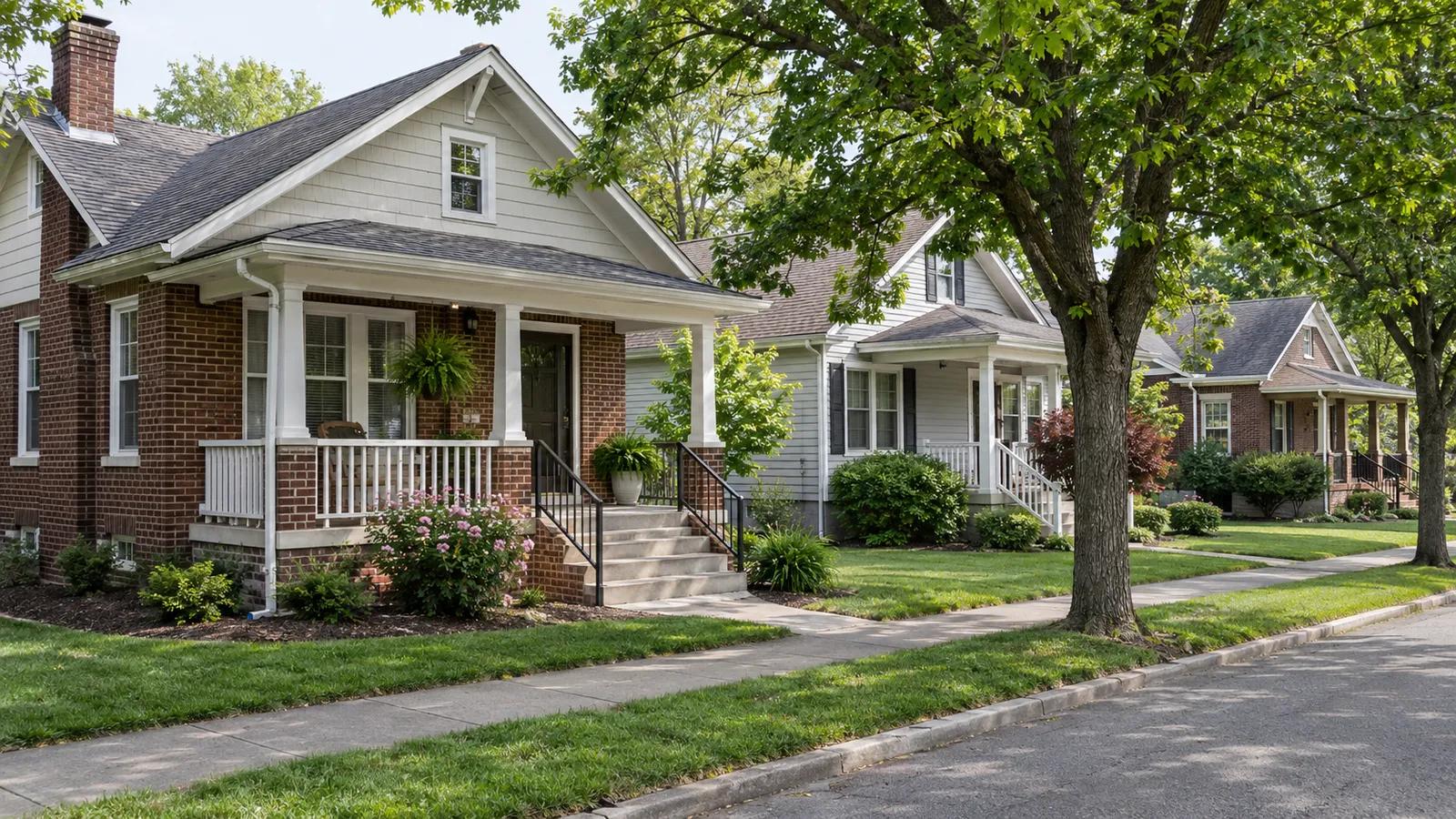
Before moving to Smithville or Kearney, define the home and routine you want, confirm the jurisdiction of each candidate and investigate its actual land, systems and ownership work. Then connect the purchase to financing, possession and moving arrangements. A Northland community name does not establish a particular home style, commute, price or service arrangement. This guide helps organize the decision without ranking the communities or inventing current inventory.
A move can be local or from outside the region, and it need not be tied to a job. This article focuses on the property and arrival questions for Smithville and Kearney. The published work-relocation guide handles employment-related timing; the wider Northland guide supplies regional orientation. Use those resources alongside a candidate-specific plan instead of expecting one city description to settle every purchase question.
1. Start with the life the next home must support
Define the everyday requirements
List the activities that shape an ordinary week: working at home, travel to chosen destinations, hobbies, visitors and the amount of exterior work you want to do. Translate each into a property requirement rather than a community stereotype. A room for equipment, a convenient entry or a manageable yard may matter more than an extra bedroom you would rarely use.
Separate essentials from preferences before looking at more listings. Decide what work you are prepared to undertake and what would require another provider. If a property depends on a major alteration to fit, record that as a project requiring feasibility, cost and permission research. Do not let an attractive setting turn an unverified renovation idea into an existing feature of the home.
Choose a search area without making it a service promise
Smithville and Kearney are Northland community search starting points, not interchangeable administrative boundaries. Record the actual municipality, county and parcels for each address. A broad mailing description can extend beyond the place a buyer imagines. The search focus in this guide does not establish exclusive Key Homes KC service coverage, professional availability or a guarantee that a particular property can be shown.
If you are unfamiliar with the area, begin with a short list of questions that can be answered remotely and another list requiring a visit. Identify who can answer each one. This helps avoid spending a single visit on attractive interiors while leaving essential location, service or property questions unresolved until the household is already committed to a move date.
2. Follow the address to the correct planning authority
Use Smithville's parcel and plan resources separately
Smithville's parcel zoning page describes a research route through Clay County mapping, while its Planning & Zoning page distinguishes comprehensive planning from zoning administration. Use those starting points to frame an address-specific question. A long-range plan illustrates intended direction; it is not a promise that a proposed project will occur or permission for the buyer's alteration.
Confirm that the city resource applies to the actual candidate and ask about recent or unresolved changes when they matter. An available map can be a useful starting point without being the final answer about a use or approval. Keep the property's observed layout, recorded description and your intended activity separate so a room or outbuilding is not assumed to authorize a different use.
Use Kearney's municipal process for a Kearney candidate
Kearney's Community Development page identifies planning and zoning, building inspection and code enforcement as distinct functions. Ask which function addresses the actual question: a proposed use, documented work or a condition concern. The Clay County GIS FAQ directs zoning inquiries within city limits to the city and those outside city limits to county planning. Resolve jurisdiction before transferring an answer between properties.
Record the source, question, date and next action. A general explanation from an office is different from a determination on a specific application. If an important answer remains pending, keep its uncertainty visible in the budget and proposed transaction process. Do not assume that a seller's description, an existing furnishing arrangement or a nearby property's use settles the intended use of this building.
| Question | Starting resource | Limit |
|---|---|---|
| Smithville parcel classification | City parcel zoning research route | Confirm the candidate and relevant current information directly. |
| Kearney proposed use or work | City Community Development | Identify the actual review or documentation required. |
| City or county authority | Actual boundaries and county guidance | A mailing name is not a final jurisdiction finding. |
| Future nearby development | Relevant plans and current public records | A plan is not a guaranteed project or completion date. |
3. Compare existing homes and proposed new construction carefully
Use evidence rather than age assumptions
An established home may have useful records and a layout that already works; it may also need system evaluation or clarification of past changes. A newer residence can still have documentation, condition and maintenance questions. Ask for an inspection scope appropriate to the actual property rather than treating apparent age or fresh finishes as a substitute for investigation.
Identify the systems, additional buildings and work that matter to your use. Ask what the general inspection includes and which findings require a specialist. If equipment is unfamiliar, arrange the proper evaluation instead of operating it during a showing. A short visit can reveal questions, but it cannot certify every component, determine title or approve a future alteration.
Keep a construction schedule distinct from possession
If considering a home that is unfinished or offered through a builder process, ask about the actual agreement, included work, selection deadlines and review opportunities. Confirm how changes and completion are addressed. A marketing estimate is not the same as an agreed possession arrangement, and a construction update should not automatically trigger nonrefundable moving or storage commitments.
Compare what is included in the offered property, what remains a choice and what you would arrange afterward. Grounds, equipment, appliances or other items may require clarification in the actual documents. Do not compare an imagined fully finished result with an existing home's purchase price while leaving the remaining work and practical dependencies outside the decision.
For regional orientation before narrowing the shortlist, review the Northland community guide. Use the actual property and confirmed records to make the purchase decision.
4. Investigate land and recreation access without assuming rights
Separate a lake-related search from a waterfront claim
If Smithville Lake is part of the appeal, Clay County Parks & Recreation provides official starting points for lake recreation and related facilities. Choose the access point or activity you actually intend to use, then test its route from the candidate. A Smithville address or nearby lake reference does not establish waterfront ownership, a view, private access, dock rights or availability of a particular facility.
Ask about any property-specific access claim through the appropriate documents and responsible professionals. Keep public recreation opportunities separate from interests included in the purchase. A photograph of water or an amenity in a listing should prompt a clear question about what is actually offered rather than an assumption that the buyer acquires an associated right.
Compare the ordinary lot and its work
For either community, observe the route from the house to the yard, slope, driveway, drainage questions and maintenance access during permitted visits. A larger site can support a desired activity or simply add responsibility. If a private system, additional building or unusual site feature is present, identify the relevant evaluation instead of assuming all homes near the same town have the same arrangements.
For a Kearney candidate, test the specific outdoor destinations you prefer rather than treating every address as equally connected to city or county recreation. Compare travel and access in practical terms. A public amenity's existence does not establish walking access or year-round convenience from a home, and a quiet visit does not guarantee the conditions of every future day.
5. Build a property-specific ownership and funding plan
Separate purchase, immediate work and operations
Use the correct county's administrative resources, including Clay County's parcel guidance or the Platte County Assessor where appropriate. Confirm taxes and relevant records for the actual address, then obtain insurance and other provider information. County data do not establish the proper offer or predict future expenses. Keep the evidence date and unresolved questions beside every important input.
Add utilities, maintenance, association responsibilities if applicable, moving and immediate work to the budget. Distinguish a documented cost from an estimate. A property can fit the asking-price ceiling while leaving too little flexibility for work or temporary overlap. If you expect to use outside help, confirm actual service scope and availability instead of treating it as a cost-free solution.
Give the lender an accurate property and move plan
Tell the lender the actual property type, intended use and funding dependencies. For an applicable mortgage proposal, the CFPB Loan Estimate explainer helps identify terms, payments and closing costs. Ask what remains conditional. This guide does not quote a current rate, promise approval or imply that one community's homes automatically qualify for a particular product.
If another home must sell first, identify when proceeds may become available and what possession arrangements would require. Include overlap or temporary housing only as options to investigate, not guaranteed solutions. A move can be geographically short while still involving substantial funding and calendar dependencies; solve those dependencies through the responsible professionals before treating a desired date as settled.
| Item | Use actual information from | Question |
|---|---|---|
| Acquisition | Lender and transaction documents | What funds and conditions apply? |
| Immediate work | Inspection findings and relevant estimates | What must be completed before intended occupancy? |
| Operations | Records, insurer, association and providers | Which responsibilities remain with the owner? |
| Overlap and moving | Connected sale/purchase plan and provider terms | What changes if access or closing moves? |
6. Use a focused visit plan if you are arriving from elsewhere
Resolve the remote questions first
Before arranging travel, identify candidate status, available documents and the unresolved questions that would justify a visit. Ask about professional availability and access without assuming video tours or relocation coordination are included. A carefully scoped inquiry may prevent a visit being spent on a property that cannot meet a basic use, condition or funding requirement.
Choose a manageable number of authorized property visits and leave time for actual destinations and the final approach to each home. Keep notes consistent enough to compare later. Avoid turning a full schedule into a reason to rush a consequential decision. If the household cannot evaluate an important feature during the visit, record what follow-up is needed rather than pretending the question has been answered.
Test the routine, not a tourist itinerary
Use part of the visit for ordinary tasks: locating chosen services, making a relevant journey and understanding entry or parking arrangements. Smithville and Kearney are more useful search choices when compared through actual addresses and routines than through a list of attractions alone. Record observations without claiming they establish universal traffic, access or neighborhood conditions.
Bring the household's actual requirements into each decision while avoiding assumptions based on age, family status or other personal characteristics. A particular layout or travel pattern can suit different people for different reasons. The guide's role is to help compare the property evidence and practical fit, not to choose the type of resident a community should attract.
7. Turn the shortlist into a transaction and move sequence
Match investigations to the actual agreement
Before proposing an offer, identify the documents, inspection access, financing and other questions still open. Ask how the actual terms would address the necessary investigation and obtain legal advice when needed. Do not assume a generic period, automatic cancellation right or guaranteed response. A website guide cannot replace the obligations everyone actually signs.
Keep value and condition tasks distinct. The CFPB appraisal explanation describes a value opinion; it is different from the inspection scope you arrange for the home. If a finding changes work, financing or intended use, revisit the decision and budget. A property should not remain acceptable only because earlier assumptions have not been updated.
Confirm handover before fixing every provider date
Clarify closing, possession, keys, included items and responsibility through the handover. Ask movers and other providers about their actual terms and change arrangements. A preferred move day may be useful for planning, but it should not be represented as a confirmed access date before the transaction and responsible parties have established it.
Keep one working calendar and identify who controls each date. If a property sale, lender decision or construction step supplies a dependency, make it visible. Confirm changes with the responsible professional rather than relying on several participants to pass along slightly different information. This reduces ambiguity without promising an uninterrupted or delay-free move.
8. Plan the first month as well as moving day
Make the home operational before optional changes
Identify the utilities, insurance, basic maintenance, access information and records needed when possession begins. Ask the relevant providers about the actual property and occupancy. Collect available manuals, agreed work documentation and service information through the transaction process. A completed purchase does not automatically establish an ongoing management or maintenance arrangement.
Keep discretionary improvements separate from essential operating tasks and unresolved inspection questions. Live with the actual layout before assuming every planned change remains necessary, while addressing responsibilities that cannot wait. Record remaining tasks, their funding and the person handling them. A clear first-month plan can make the move more manageable without suggesting that every future question can be settled before closing.
Start with the decision blocking progress
An initial inquiry can be simple: where you are considering, what the home must support, the anticipated move window and the largest unanswered question. Include candidate addresses if available. Ask which professional and real estate services can be discussed for the circumstances. Keep sensitive financial and legal documents within the appropriate professionals' secure processes.
- ✔Confirm actual municipality, county and included parcels.
- ✔Record the intended use and the evidence still needed.
- ✔Test daily routes and desired recreation access from the address.
- ✔Compare work, funding and continuing ownership responsibilities.
- ✔Connect investigations, possession and providers through one working plan.
Sources and further reading
Sources checked . Requirements and availability can change; confirm details with the responsible organization before relying on them.
- City of Smithville: parcel zoning research
- City of Smithville: Planning & Zoning and comprehensive-plan resources
- City of Kearney: Community Development
- Clay County GIS: parcel, boundary and city-versus-county research FAQ
- Clay County: Parks & Recreation and Smithville Lake resources
- Platte County Assessor: official property-search and GIS starting point
- Consumer Financial Protection Bureau: Loan Estimate explainer
- CFPB: what an appraisal is and how it is used
Related guides
Plan the Northland move around your actual priorities
Share your Smithville or Kearney search, timing and unresolved property questions. Ask Key Homes KC about the next useful real estate conversation.
Frequently Asked Questions
Key Homes KC
Let's start the conversation
Share your real estate questions, property priorities, and preferred way to connect with Key Homes KC.
- Call or Text:
- 816.651.7894
- Office:
- 816-629-4494 x255
- Email:
- rebecca@keyhomeskc.com
- Location:
- 8320 N. Oak Trfy Ste. 223
Kansas City, MO 64118 - Availability:
Monday–Friday: 8am–7pm
Saturday: 9am–5pm
Sunday: By Appointment
Send a Message
Use the form to share your real estate question and preferred contact details.